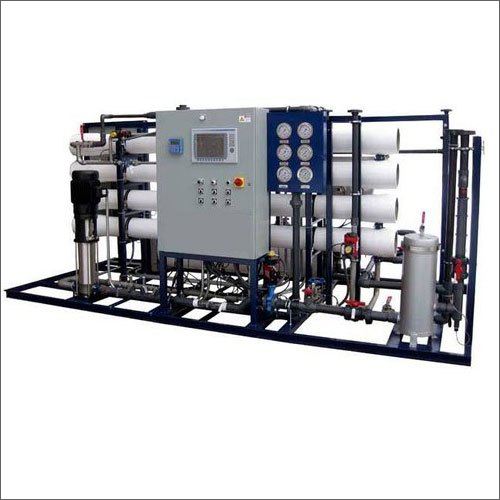
About 4 kW Automatic FRP Reverse Osmosis Plant
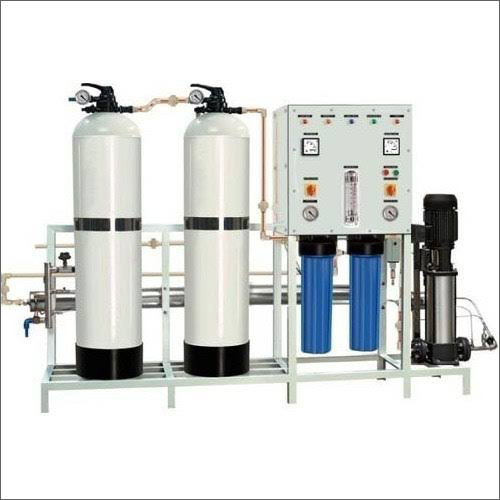
Customers from different ends of the country prefer to buy 4 kW Automatic FRP Reverse Osmosis Plant from our enterprise. The professionals working with us are innovative, skilled and experienced; they allow us to stand out in the competitive market and impress our customers. We keep on improving the design and without increasing the cost of our 4 kW Automatic FRP Reverse Osmosis Plant and this is what makes us different from our companies active in the same domain.
Product details
|
Water Storage Capacity
|
1000 L
|
|
RO Capacity
|
200-500 (Liter/hour)
|
|
Type Of Purification Plants
|
Reverse Osmosis
|
|
Water Source
|
Borewell Water
|
|
Capacity Inlet Flow Rate
|
50 L/Hour
|
|
Motor
|
4 kW
|
|
Voltage
|
220 - 280 V
|
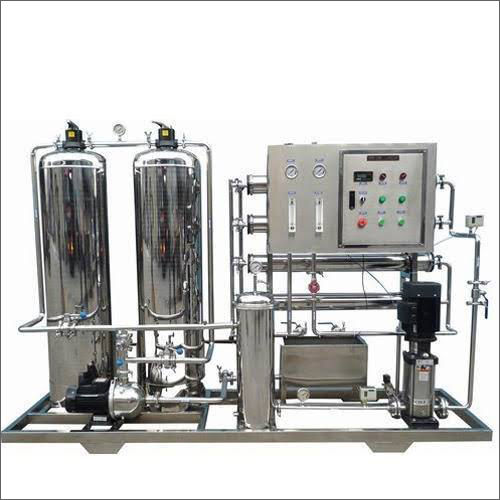
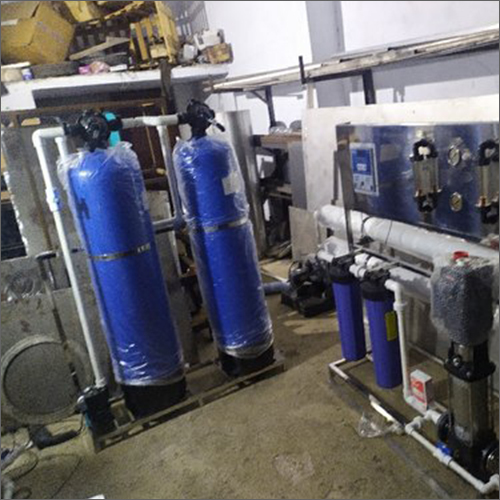
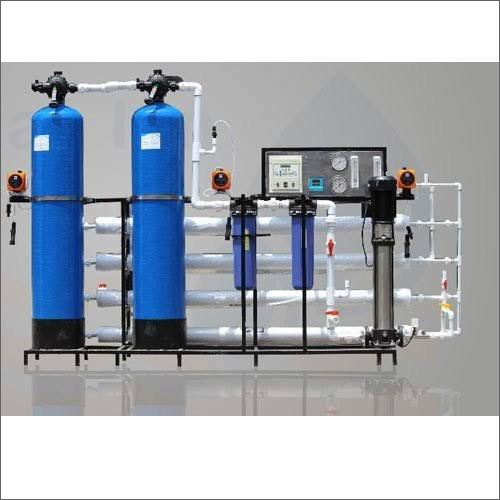
Advanced Water Purification TechnologyUtilizing state-of-the-art reverse osmosis technology, this plant combines sand and carbon pre-filtration with high-efficiency polyamide membranes. The automatic digital control panel ensures reliable operation and precise monitoring, while the system maintains low power consumption and noise levels during operation.
Durability and Versatile ApplicationsConstructed with a powder-coated MS frame and FRP membrane housing, the unit offers exceptional durability, corrosion resistance, and longevity. Its 1000 LPH capacity and potable-grade water output make it suitable for diverse sectors, including domestic, industrial, and commercial environments in India.
User-Friendly Operation and MaintenanceThe plants automatic control features, skid-mounted design, and multi-stage filtration ease operation and routine maintenance. With manual and automatic discharge modes, it provides flexibility for different user requirements, ensuring optimal recovery and efficient, uninterrupted water purification.
FAQs of 4 kW Automatic FRP Reverse Osmosis Plant:
Q: How does the 4 kW Automatic FRP Reverse Osmosis Plant operate?
A: The RO plant employs a multi-stage filtration process, including sand and carbon filters followed by polyamide spiral wound membranes, to remove impurities and reduce TDS in water. The automatic digital control panel manages system operations, monitors water quality, and allows manual or automatic discharge as needed.
Q: What are the primary applications of this RO plant?
A: This system is designed for water purification in a variety of settings such as domestic households, commercial buildings, and industrial facilities. Its high capacity and ability to deliver potable-grade water make it suitable for a wide range of water treatment requirements.
Q: When should I consider using this RO plant?
A: Consider installing this RO system if you require high-volume purified water with low TDS and contaminantsfor example, for drinking, manufacturing, or commercial purposes. It is especially useful in locations where feed water has a conductivity between 500-2500 S/cm.
Q: Where can the plant be installed and how much space is required?
A: The plants skid-mounted design allows for flexible installation in utility rooms, industrial units, or dedicated water treatment areas. Its approximate dimensions are 2100 x 900 x 1700 mm, so ensure adequate floor space is available for installation and maintenance access.
Q: What maintenance does the RO plant require and how often?
A: Routine maintenance includes periodic inspection and replacement of pre-filters, checking membrane performance, and occasionally cleaning the system. With its robust construction and automatic controls, scheduled servicing is simple and maintenance needs are comparatively low.
Q: How does the system benefit users in terms of water quality?
A: The plant delivers water with up to 99% purity and TDS reduction between 90-99%, achieving potable standards. It consistently provides water with conductivity below 20 S/cm and a safe pH level of 6.58.0, making it suitable for drinking and other sensitive applications.
Q: What is the process for initial startup and usage?
A: Upon installation, the system is connected to an appropriate power supply (220280V) and inlet with pressure above 1.5 bar. After calibration, inlet water passes through sequential filtration stages controlled by the automatic panel, and treated water can be collected manually or discharged automatically, as configured.

 Send Inquiry



 Send Inquiry

 Send Inquiry


